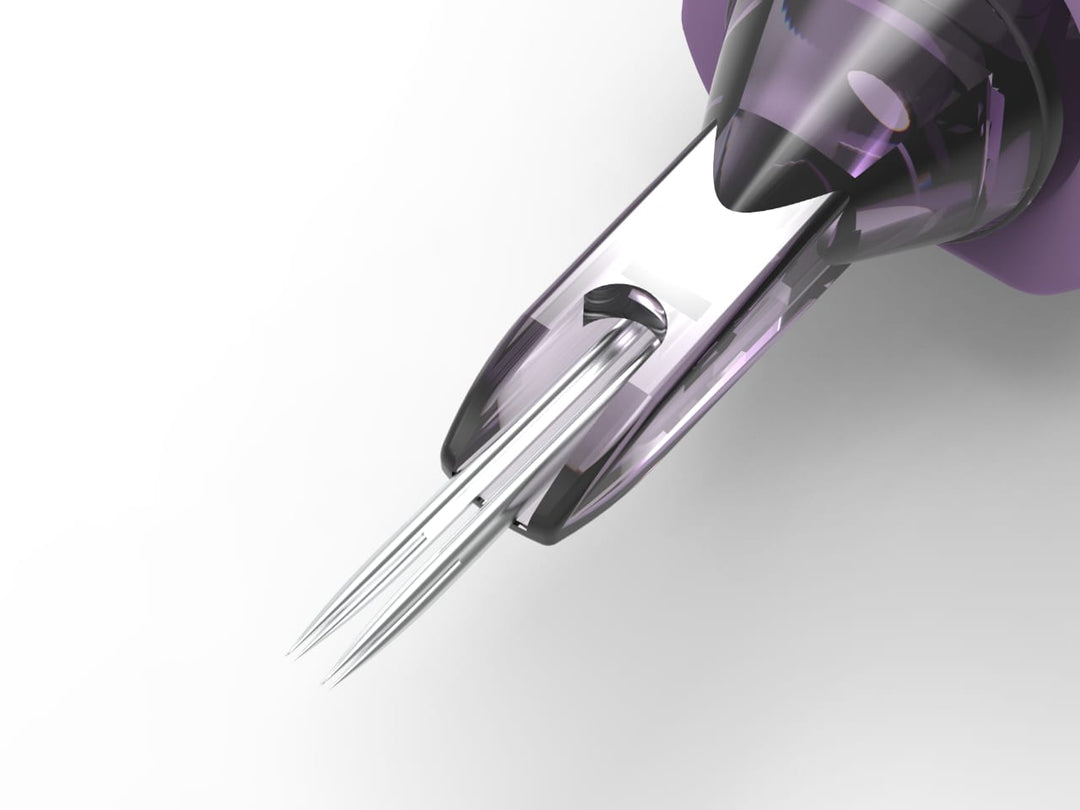
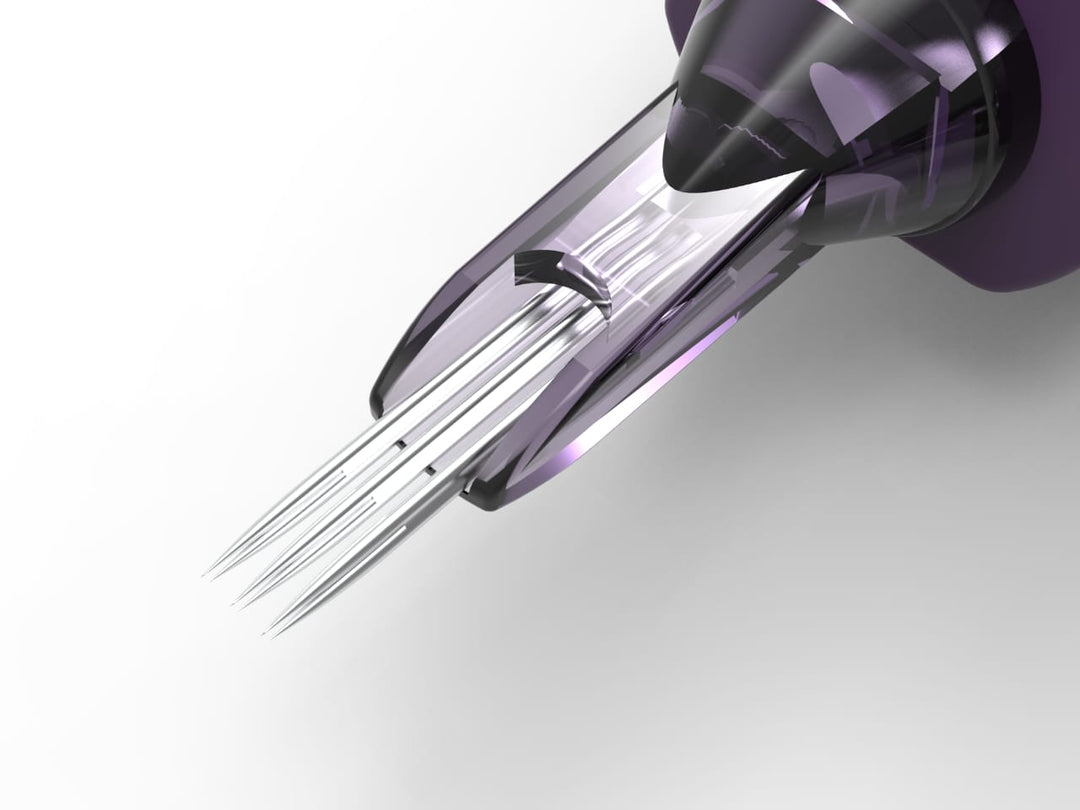
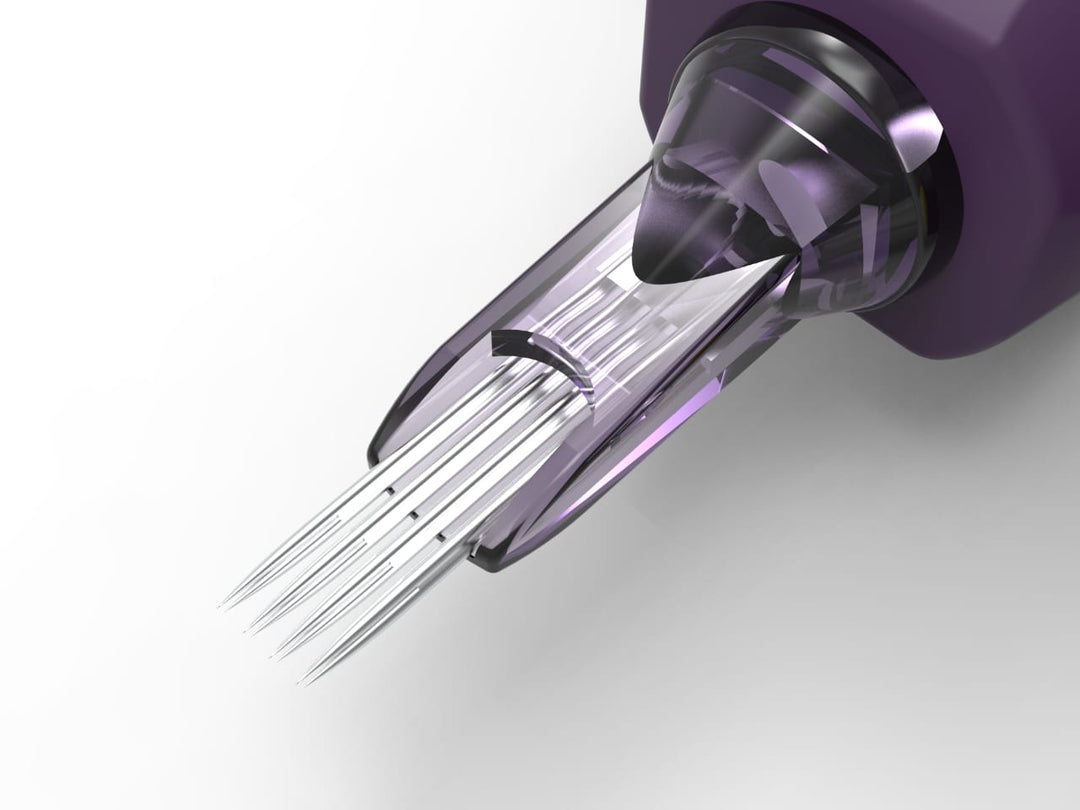
As a tattoo artist, your creativity defines your work, but your safety protocols define your longevity. While Grip Needles equips professionals with precision-engineered cartridges and tools, tattoo needle handling is what ultimately protects both artist and client. Safety is foundational in this industry.
The Occupational Safety and Health Administration (OSHA) exists to reduce workplace exposure to bloodborne pathogens such as Hepatitis B (HBV), Hepatitis C (HCV), and HIV. For any tattoo artist working with needles, understanding OSHA guidelines for tattoo needles is a professional obligation.
This tattoo needle guide breaks down exactly what every tattoo artist must know to stay compliant, protected, and credible.
The Foundation: OSHA’s Bloodborne Pathogens Standard
OSHA’s Bloodborne Pathogens Standard (29 CFR 1910.1030) applies to any workplace where employees may come into contact with blood or other potentially infectious materials (OPIM). Tattoo studios clearly fall under this regulation due to skin penetration and blood exposure.
Compliance begins with a written Exposure Control Plan. OSHA requires studios to identify exposure risks, outline prevention strategies, and document engineering and work practice controls. This plan must be accessible to all employees and reviewed annually, especially when adopting new technologies such as cartridge-based needles or updated disposal systems.
This is the backbone of responsible tattoo needle handling.
The Four Pillars of Safe Tattoo Needle Handling
1. Universal Precautions
OSHA mandates that all blood and OPIM be treated as infectious, regardless of the client’s known health status. This removes assumptions from the equation and ensures consistent protection across every appointment. Universal precautions are one of the most critical OSHA guidelines for tattoo needles.
2. Engineering Controls
Engineering controls physically remove hazards from the environment. In tattooing, sharps containers are the most important example.
- Placement: Sharps containers must be within arm’s reach of where needles are used.
- Design: Containers must be puncture-resistant, leak-proof, and labeled or color-coded red.
- Maintenance: OSHA explicitly warns against overfilling sharps containers, as this increases needlestick risk.
High-quality cartridge systems support safer handling, but disposal is still non-negotiable.
3. Work Practice Controls
These controls govern behavior and technique.
- No bending, breaking, or recapping: OSHA prohibits manipulating contaminated needles unless no alternative exists. Tattooing does not qualify as an exception.
- Immediate disposal: Used needles must go directly into a sharps container, never onto a tray.
- Hand hygiene: Hands must be washed with soap and water immediately after glove removal. Hand sanitizer may be used temporarily but does not replace proper washing.
Every tattoo artist must know that shortcuts here directly increase exposure risk.
4. Personal Protective Equipment (PPE)
Disposable gloves are mandatory whenever contact with blood is anticipated.
- Gloves must be replaced if torn, punctured, or contaminated.
- Disposable gloves may never be washed or reused.
PPE works only when paired with proper tattoo needle handling and disposal.
Hepatitis B Vaccination and Mandatory Training
OSHA requires employers to offer the Hepatitis B vaccination at no cost to all employees with occupational exposure, within 10 days of assignment. Artists may decline, but the offer itself is mandatory.
In addition, OSHA requires initial and annual bloodborne pathogens training. This ensures artists remain updated on exposure risks, proper handling procedures, and evolving safety technology, making this tattoo needle guide an ongoing reference, not a one-time read.
What to Do After a Needlestick Injury
If exposure occurs, OSHA outlines immediate steps:
- Wash the area with soap and water; flush mucous membranes with water.
- Report the incident immediately, documentation matters.
- Receive medical evaluation at no cost, including post-exposure follow-up if indicated.
Prompt action protects health and ensures regulatory compliance.
Safety Is Professionalism
Grip Needles builds tools designed for precision, consistency, and control, but no product replaces knowledge. Following OSHA guidelines for tattoo needles protects your health, your clients, and your reputation as a professional.
For every tattoo artist, mastering tattoo needle handling isn’t just about compliance, it’s about longevity, trust, and credibility. Stay informed, stay protected, and keep pushing the craft forward.