Photo: @honeyb_fineart
Precision has become the currency of modern tattooing. As fine line, micro-realism, and ultra-detailed designs continue to dominate client requests, artists are turning to tools that offer maximum control with minimal skin trauma. One configuration leading this shift is the Tight Round Liner, commonly known as the TRL.
While round liner needles have long been the foundation of clean line work, tight round liners refine that concept even further, giving artists sharper definition, better ink control, and greater confidence when working at smaller scales.
So what exactly sets a TRL apart, and why are so many artists choosing it over traditional liners?
What Is a Tight Round Liner (TRL)?
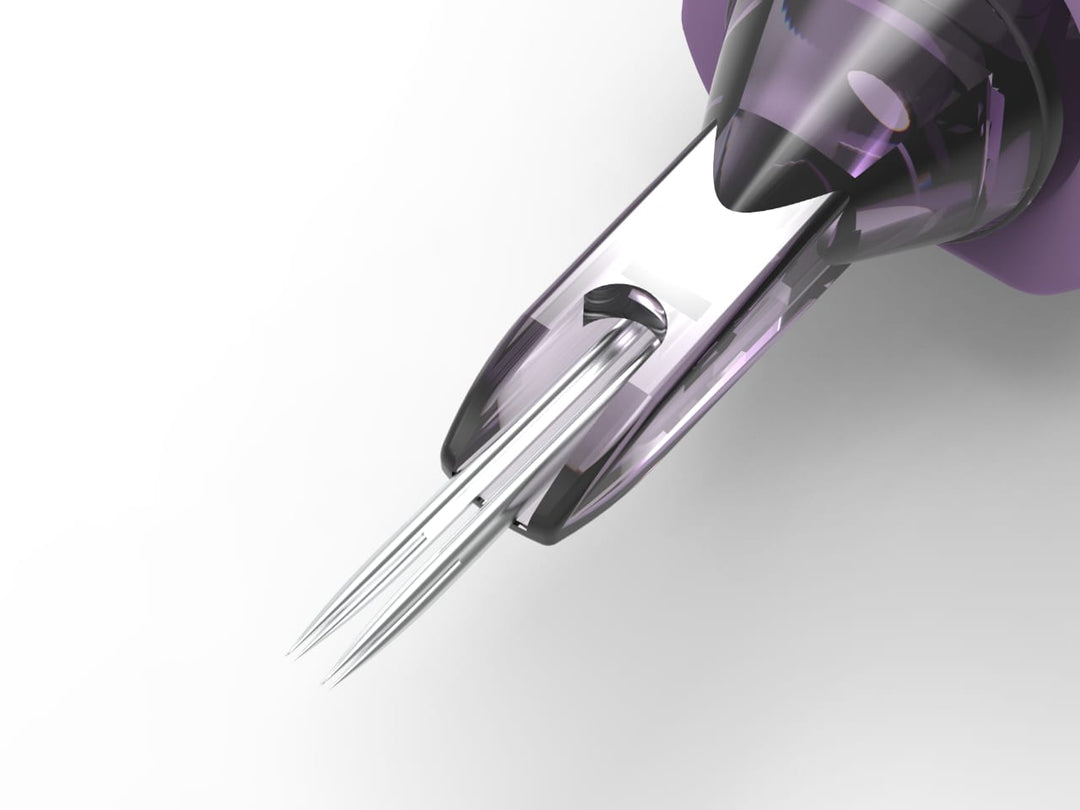
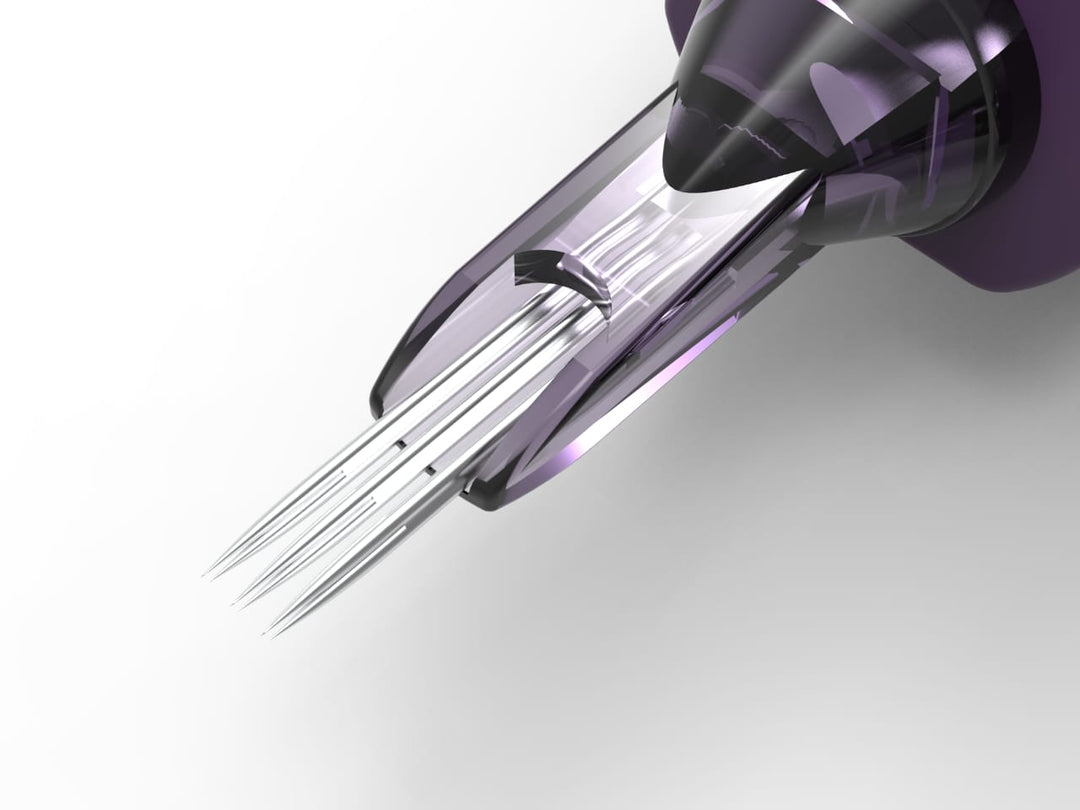
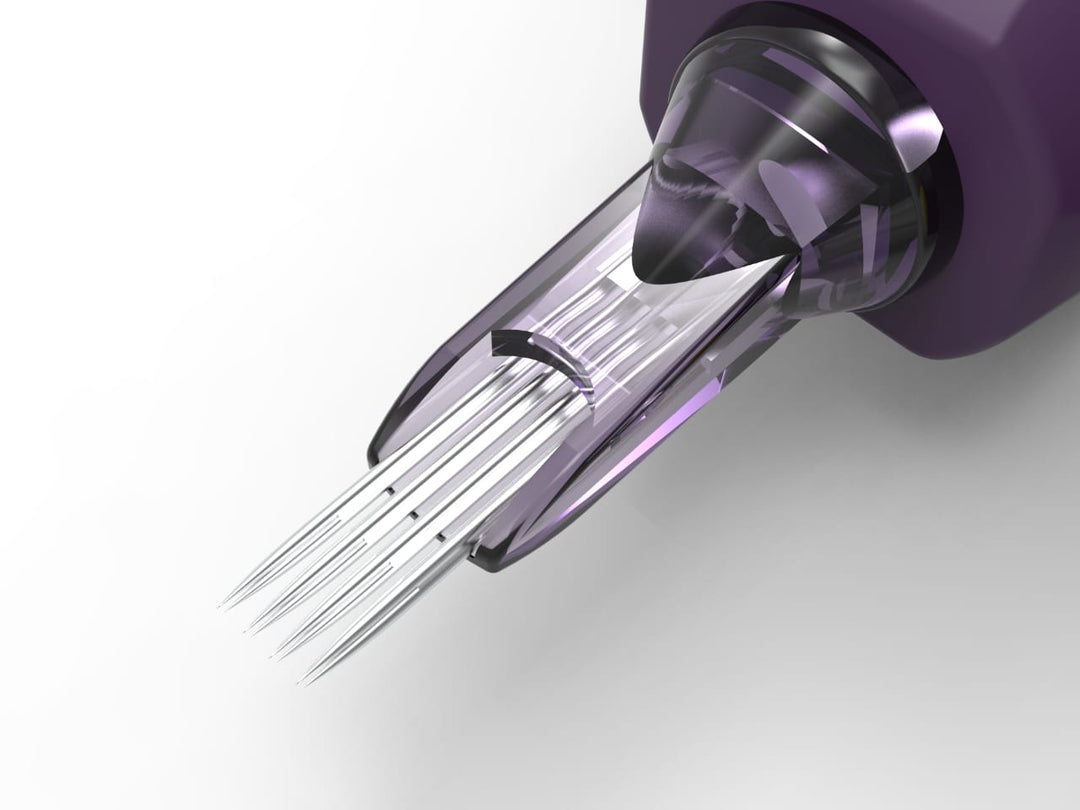
A tight round liner is a variation of standard round liner needles. Like any RL configuration, it consists of multiple needle points soldered into a circular formation. The difference lies in how tightly those needles are grouped at the tip.
In standard round liner needles, the pins are aligned evenly and parallel. In a TRL, the needle tips are drawn inward more aggressively during soldering, forming a narrower, more concentrated point. This tighter grouping reduces the surface area where ink is released into the skin.
Think of it as the difference between a standard pen and a technical drafting pen, both draw lines, but one offers far greater precision.
Tight Round Liners vs. Standard Round Liners
Understanding how tight round liners compare to traditional configurations helps clarify when and why to use them.
-
Standard Round Liner Needles (RL): Parallel pins, consistent ink flow, ideal for general outlining and bold styles.
-
Tight Round Liners (TRL): Pinched tips, restricted ink release, designed for ultra-clean, fine line execution.
Because tight round liners hold ink in a smaller capillary space, they deposit pigment more slowly and deliberately. This is exactly what fine-line artists want: control without ink flooding or unintended spread.
Why TRL Needles Are Trending in Fine Line Tattoos
1. Cleaner, Thinner Line Quality
Fine line tattoos demand clarity that holds up over time. Tight round liners allow artists to create crisp, narrow lines without relying on excessive voltage or repeated passes. Compared to 3RL and 5RL needles, a TRL of the same size will often produce a sharper edge with less ink diffusion.
2. Reduced Skin Trauma
Most TRLs are paired with long or extra-long tapers. These tapers penetrate the skin cleanly, minimizing resistance and reducing swelling. Less trauma means better visibility during the session and improved healing, critical for delicate work.
3. Superior Ink Control
Ink “blowout” and feathering are common risks in fine line tattoos. Tight round liners reduce that risk by limiting how much pigment enters the dermis at once. This makes them ideal for artists transitioning from standard round liner needles into more detailed styles.
4. Precision Beyond Lines
TRLs aren’t limited to outlining. They excel at stippling, micro-shading, and texture work. For artists who previously relied on 3RL and 5RL needles for dotwork, TRLs offer tighter dot placement and greater consistency.
How TRLs Compare to Larger Liners
While tight round liners dominate fine-line work, they don’t replace larger groupings entirely. For bold designs, configurations like 7RL and 9RL needle groupings still reign supreme. These larger liners deliver heavier saturation and stronger visual impact, especially in traditional and neo-traditional styles.
In practice, many artists build their setups by combining TRLs for detail work and 7RL and 9RL needle options for structure and weight, choosing the right tool for each phase of the tattoo.
Choosing the Right TRL Size
-
3TRL: Ideal for micro-text, fine floral details, and ultra-delicate geometry
-
5TRL: A balance between control and visibility for fine outlines
-
7TRL: Still precise, but with enough presence to anchor detailed designs
Pairing TRLs with standard round liner needles allows artists to switch seamlessly between precision and power without changing technique.
The rise of tight round liners reflects a broader evolution in tattooing, one where precision, healing quality, and technical mastery matter more than ever. TRLs aren’t a trend for beginners; they’re a refinement tool for artists who understand needle mechanics and demand consistency from their equipment.
By integrating tight round liners alongside traditional round liner needles, 3RL and 5RL needles, and larger 7RL and 9RL needle groupings, artists gain full control over line weight, saturation, and skin response.
In modern tattooing, precision isn’t optional, it’s expected. And tight round liners deliver exactly that.